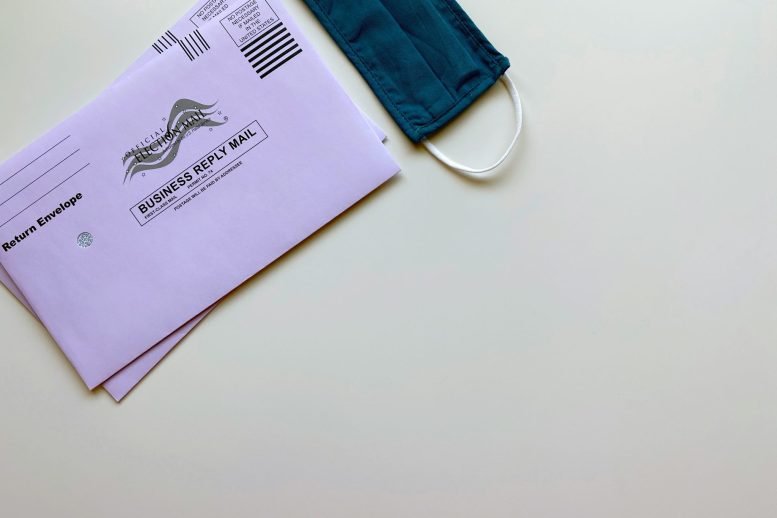
A homeschooling class that follows savethepostoffice.com has suggested that this article from 2024 would be a valuable addition to the website at this particular time, so thanks to them for the recommendation:
Managing Election and Political Stress: Practical Tips for a Healthier Mindset
Cole Neder
Election seasons are often fraught with tension and anxiety, affecting individuals across the political spectrum. The barrage of news, debates, and social media discussions can lead to significant stress, impacting both mental and physical well-being. It’s not uncommon to experience this type of stress; in fact, the majority of your friends, family, and co-workers experience elevated levels of stress during election season. It’s essential to recognize the importance of managing this stress to maintain overall health. This article aims to provide practical tips for avoiding election and political stress, helping you navigate this turbulent time with a more balanced and mindful approach.
Understanding the symptoms of stress
Recognizing the early signs of stress is crucial for managing it effectively before it escalates. Early stress symptoms often manifest physically, emotionally, and behaviorally. Being mindful of these symptoms allows you to identify when stress is starting to build up. Here are some symptoms you might experience if you are feeling stressed or overwhelmed:
| Physical symptoms: Headaches, Muscle tension, Fatigue, Stomach issues | Emotional symptoms:IrritabilityAnxietyRestlessnessFeelings of being overwhelmed |
| Behavioral symptoms:Changes in sleep patterns, Drastic appetite changes, Increased use of substances |
If you notice any of these signs, it’s important to be proactive and take steps to reduce your stress levels. There are a vast array of resources from professionals across the United States that are here to help you identify- and address- stressful experiences. Here are some examples:
- The National Institute of Mental Health (NIMH) provides a stress fact sheet intended for teens and young adults that provides information on stress, anxiety, and ways to cope when you feel overwhelmed.
- The Centers for Disease Control and Prevention (CDC) provides resources to identify and cope with stress in a sustainable, healthy way that will provide you the tools to identify early signs of stress and depression.
- The International Help Guide provides helpful descriptions of stress symptoms, signs, and causes. Their resources identify the common causes and effects of chronic stress and explore different individual experiences.
- The University of California Counseling Center explores stress symptoms and the effects they have on your body and behavior. Their resources focus on election-related stress points and provide tips for coping with election stress.
Why are elections so stressful?
Identifying stress-related symptoms is an important first step to maintaining a healthy headspace. But what causes these symptoms to appear in the first place? One clear component- or primary source- of stress has been national elections by an increasing margin. In fact, the American Psychological Association (APA) reported that more than two-thirds of adults experienced elevated stress levels due to the 2020 United States presidential election. Beyond the election itself, there are various components of stress-inducing occurrences during an election. Identifying the specific triggers that cause election-related stress is a crucial component in managing your mental health. Here are some common sources of stress during election cycles:
- Overwhelming media coverage
Constant news consumption, especially during election periods, can significantly elevate your stress levels. The 24/7 news cycle, filled with sensational headlines and urgent updates, can create a sense of perpetual crisis. This approach to journalism is considered “horse race reporting”, where elections are covered as a competitive game that focuses on winners and losers instead of actual policy positions.
Estimates from the 2016 election have concluded that policy issues only accounted for 10% of overall political news coverage, while journalists and pundits were more focused on polling, campaign strategies, and “probabilistic forecasting” (data analysis to try and predict the outcome of an election). This approach to media coverage leaves voters confused, misinformed, uncertain, and ultimately more stressed during election season.
- Social media platforms
The sheer volume of information and the rapid pace at which it is disseminated can be overwhelming for any individual looking to become more informed during an election. Social media platforms are flooded with constant updates, breaking news, and political commentary, making it challenging for users to process and filter the information.
In the final months- and even years– leading up to the 2020 presidential election, social media users (specifically Facebook, Twitter, Reddit, and Instagram) polled by the Pew Research Center reported exhaustion by the amount of political content consumed on each platform.
In addition, social media often amplifies polarized opinions and contentious debates. Algorithms tend to promote content that generates strong reactions, which can result in a feed dominated by extreme viewpoints and emotionally charged discussions. This can create an environment of heightened tension and conflict, making it difficult for users to escape the negativity and stress associated with political discourse.
- Interactions with family and friends
Personal interactions can also contribute to election stress. Disagreements over political beliefs can result in arguments and hurt feelings, sometimes causing family members to avoid certain topics altogether or even each other. In extreme cases, these conflicts can lead to estrangement, where family members cut off communication to avoid further conflict.
Among friends, political differences can challenge the foundation of mutual respect and understanding. Friends who discover they have opposing political views may struggle to maintain their relationships, especially if discussions turn hostile or judgmental. Social media can exacerbate this issue, as friends might share or comment on political content that sparks disagreements and undermines the sense of camaraderie.
Between family and friends alike, the overarching concern when politics enters a conversation is attaching the individual to all beliefs– or the most divisive components- of a political candidate. This is increasingly prevalent as politics more frequently broaches topics including abortion, sexual assault, racial inequities, and police violence.
- Political and electoral disinformation
Disinformation, or the deliberate spread of false or misleading information, can severely impact public perception and understanding of the electoral process. When voters are exposed to conflicting or false information, it becomes challenging to discern the truth, leading to confusion and anxiety. This constant bombardment of disinformation can make individuals feel overwhelmed and helpless, heightening their stress levels as they struggle to find accurate and reliable information.
Disinformation campaigns often target sensitive issues, such as voter fraud, election integrity, and candidate qualifications, undermining trust in the democratic process. In fact, the Brookings Institution found that 64% of Americans believe that democracy in the United States is in crisis, and that a similar amount believe that disinformation is undermining trust in political institutions.
- Political violence
Finally, political violence, including threats, intimidation, and physical acts of aggression, can create a pervasive sense of fear and insecurity. When instances of political violence occur, whether at rallies, protests, or other political events, they can leave a lasting impact on the public psyche. The threat of violence can deter people from participating in the electoral process, either by voting or engaging in political discussions, out of fear for their safety.
This climate of fear can increase stress as individuals worry about potential violence in their communities and its implications for democracy and public safety. Additionally, witnessing or hearing about political violence can trigger emotional distress, particularly for those who have experienced violence or trauma in the past.
Managing your stress during an election
To be proactive in addressing early stress, it’s important to develop and maintain healthy coping mechanisms. The constant influx of information, divisive rhetoric, and high stakes can make the election season particularly overwhelming. However, there are practical strategies that can help you navigate this period more calmly and resiliently. Here are some recommendations for reducing anxiety during an election period:
- Acknowledge your own feelings
Your feelings and mood might be quite different during an election cycle. Whatever you may feel- whether it be anger, sadness, anxiety, or anxiety- be aware of these feelings and give them agency. The importance of owning your feelings instead of minimizing or dismissing them provides important directions on what actions you can take to address them.
By acknowledging the way elections and electoral politics make you feel, you provide yourself the opportunity to create a plan- or roadmap- on how to talk about and address these challenges. Giving yourself agency can set you up to take action, set boundaries, and make a difference.
- Stay informed, not overwhelmed
Staying informed and engaged without becoming overwhelmed involves setting boundaries for how much information you consume and taking breaks when necessary. Remember that while you can’t control the election outcome, you can control your response and actions.
Setting specific times for checking news updates can help manage this stress. For instance, limiting news intake to certain times of the day, such as in the morning and evening, can provide mental breaks and reduce anxiety. Taking time for yourself is never selfish; instead, it helps clear your mind and better focus when you return.
It’s also wise to avoid sensationalist news sources that may exaggerate or dramatize events. Instead, seek out balanced information from reputable sources that provide in-depth analysis rather than just headlines. This approach can help you stay informed without feeling overwhelmed.
- Avoid or limit social media
Social media can amplify stress and anxiety, particularly during election seasons. The constant stream of updates, opinions, and debates can create an environment of heightened tension. Managing social media use is critical to reducing stress. Consider using apps that limit the time you spend on social media.
Unfollowing or muting accounts that contribute to stress is another effective strategy. Surround yourself with positive content and supportive online communities that uplift rather than drain your energy. Taking periodic breaks from social media can also provide much-needed respite from the constant barrage of information.
- Finding self-care and stress-relieving activities
Engaging in activities that help reduce stress is essential for maintaining mental health. Physical exercise, such as walking, running, or yoga, can have profound benefits for both the body and mind. Regular physical activity releases endorphins, which are natural mood enhancers, and helps reduce the levels of stress hormones in the body.
Meditation and mindfulness practices can also be incredibly effective in managing stress. Techniques such as deep breathing, progressive muscle relaxation, and guided imagery can calm the mind and improve overall well-being. Numerous resources are available online, including apps and videos, to guide you through these practices.
Keeping a journal to track your stress levels and triggers can also help you recognize patterns and take steps to mitigate stress before it becomes overwhelming. Engaging in enjoyable activities and maintaining social connections with supportive friends and family further enhances your ability to manage stress proactively.
Political conversations with family and friends
When it comes to family and friends, separating the political viewpoints from the person has never been more challenging. While the belief that a person’s politics does not define them is productive as high-level advice, this approach is often the exact opposite in practice and fails to acknowledge the divisive- and often uncompromising- issues driving the current political climate.
Discussing political issues with family and friends, especially on divisive and morally uncompromising topics such as abortion, religion, immigration, and other social issues, presents several challenging questions: