Understanding the new USPS service standards and how they apply to your ZIP Code
March 2, 2025
On April 1, 2025, the Postal Service will begin implementing the Regional Transportation Optimization (RTO) initiative. The RTO will discontinue the end-of-day collections at most post offices, leaving outgoing mail and packages to sit overnight in a back room, waiting to be picked up the next morning when mail is dropped off for delivery.
This change will add a day to delivery times for mail sent at an RTO post office, so the Postal Service is revising service standards to reflect the extra day.
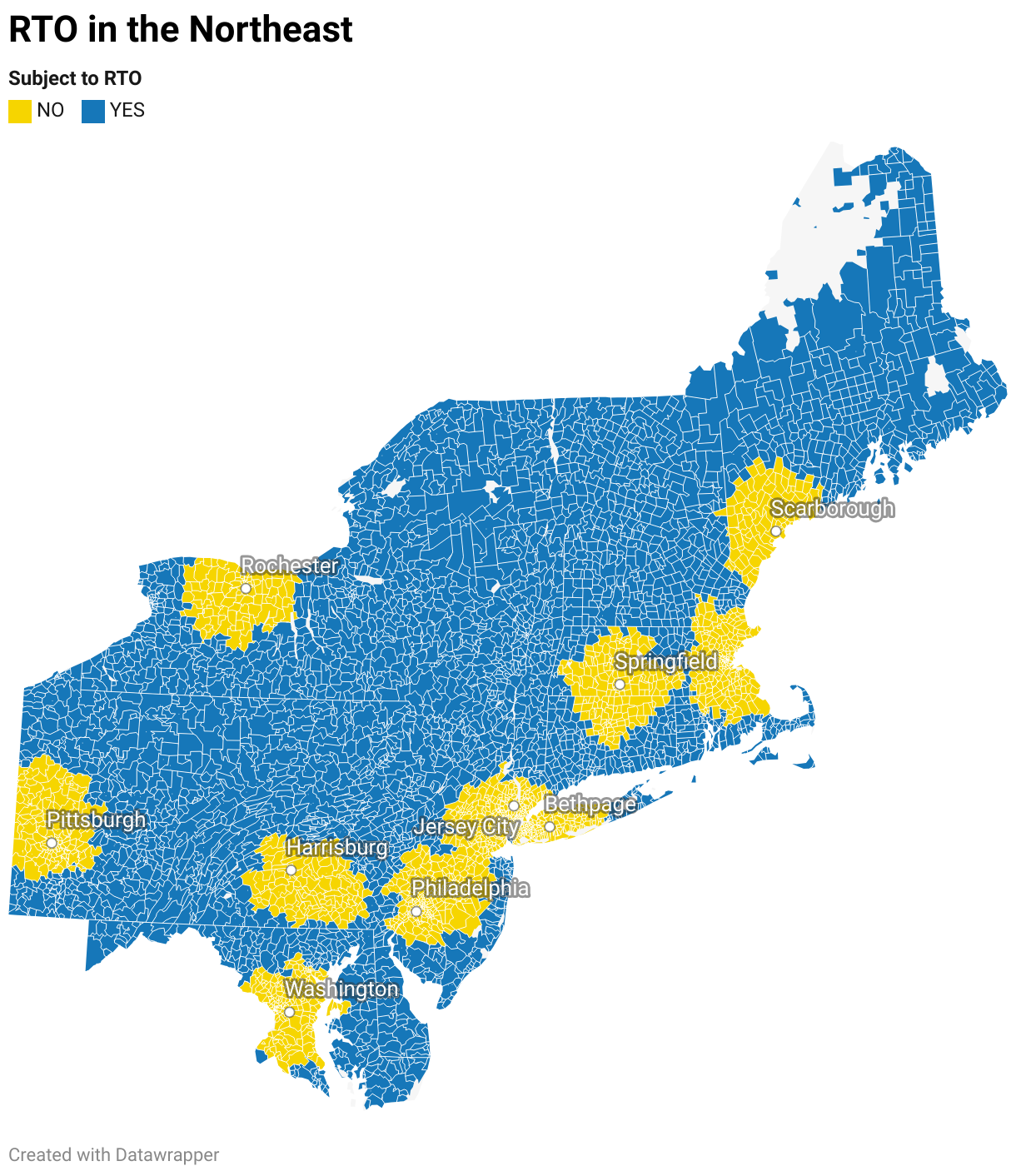
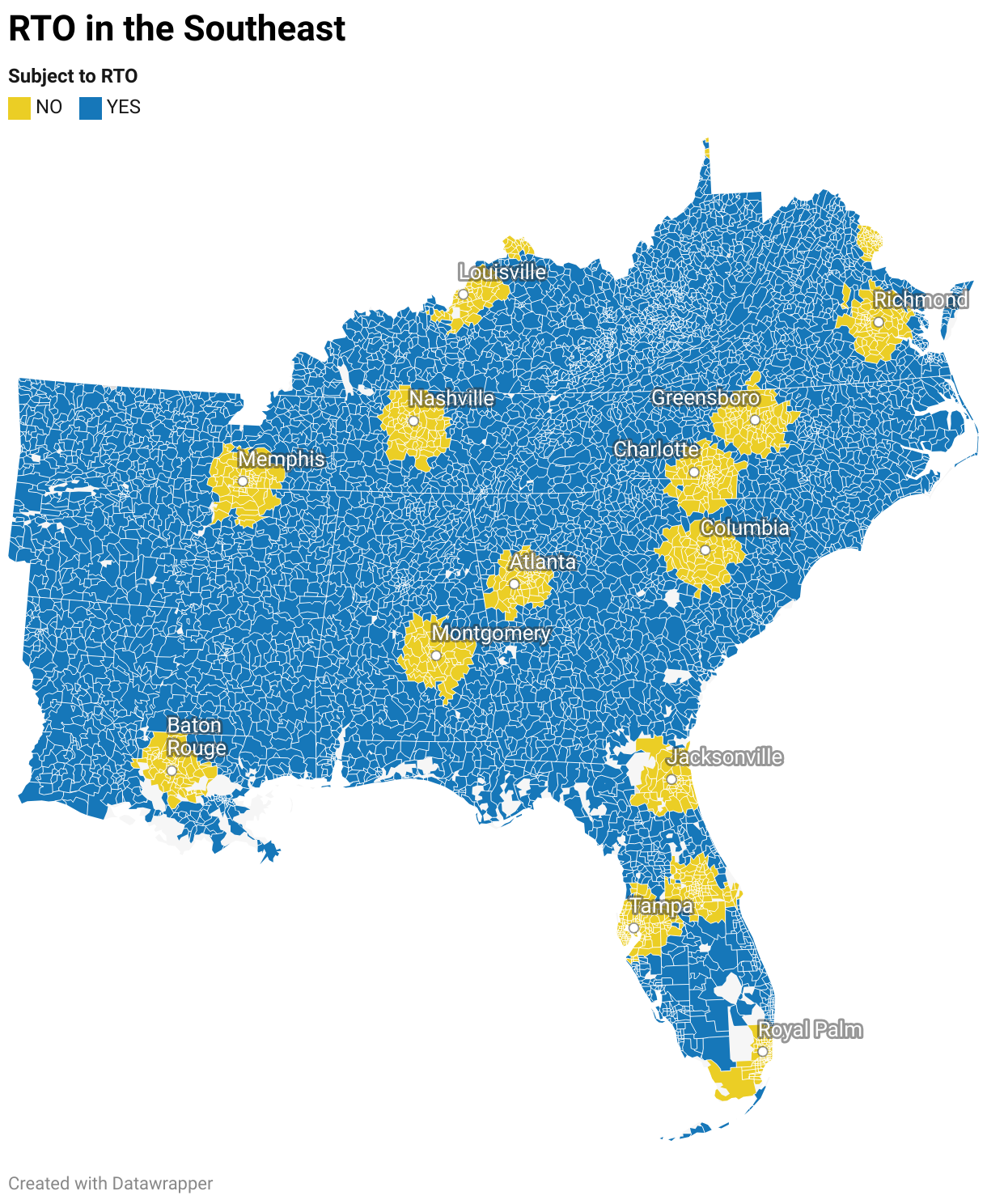
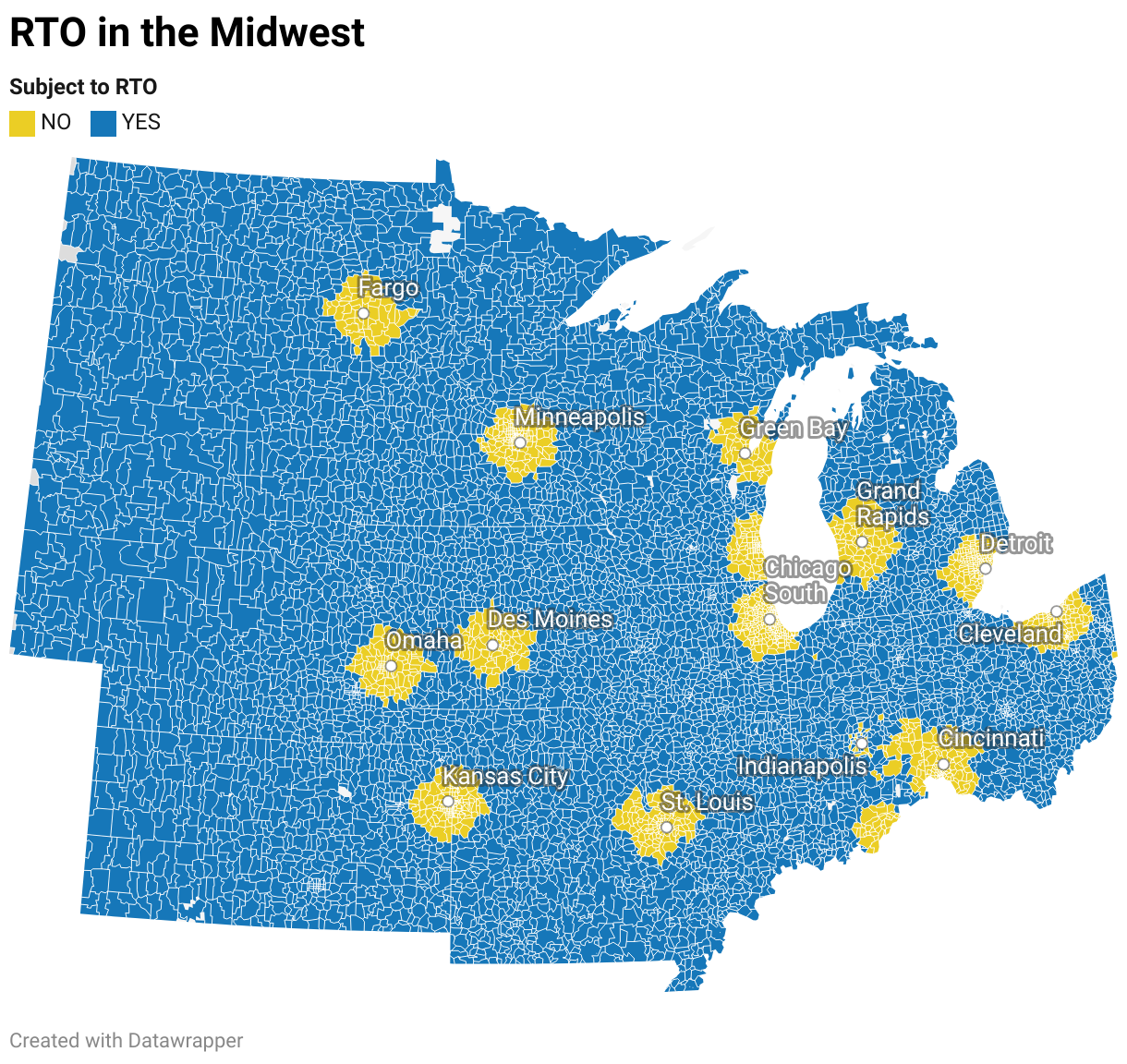
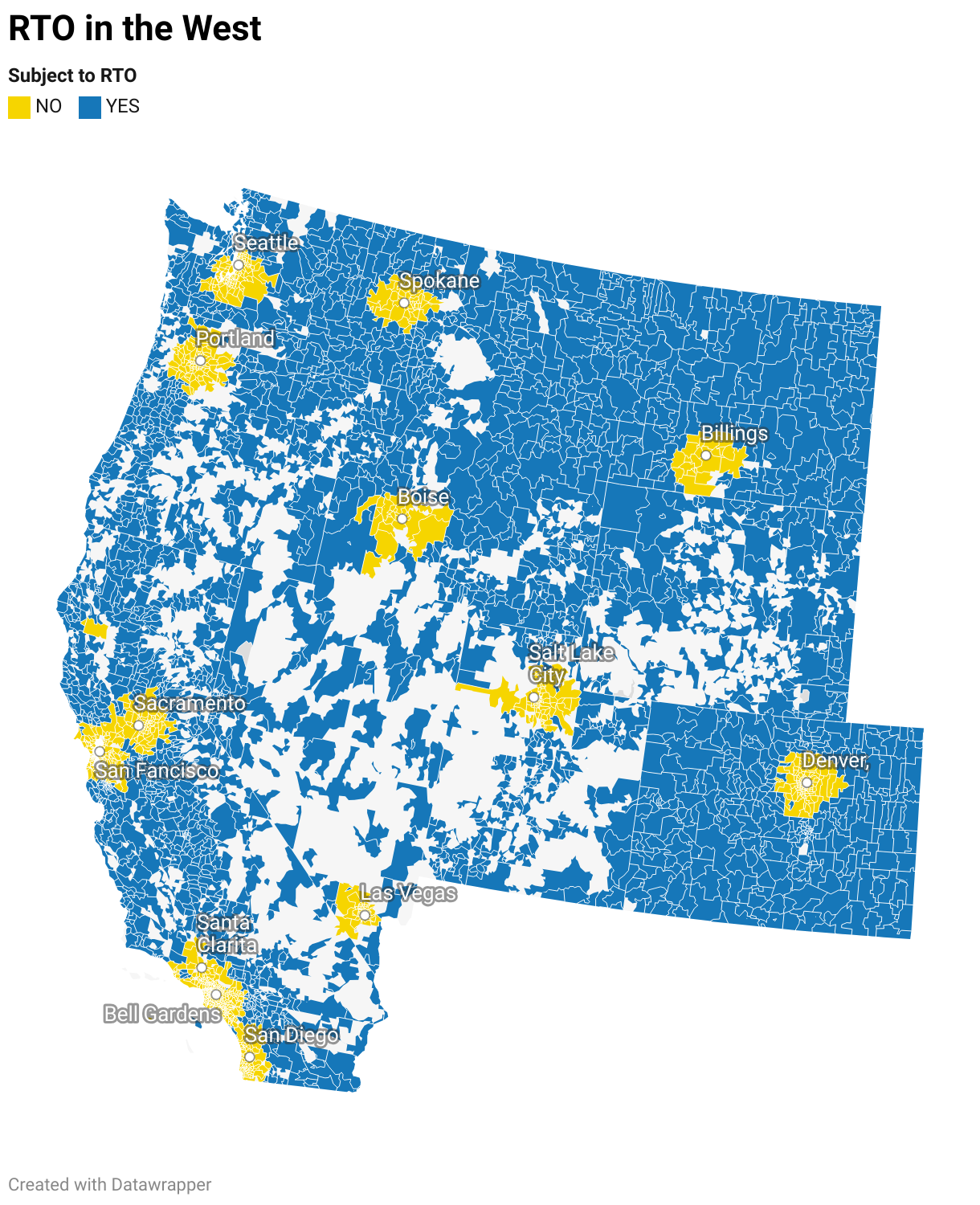
The RTO applies to post offices located more than 50 miles from one of the nation's 60 Regional Processing & Distribution Centers (RPDC). That's over 24,000 post offices — nearly three-fourths of the country’s post offices. Over 70 percent of ZIP Codes and nearly half the country's population will see their outgoing mail slow down. The rest of the country will see incoming mail from these places slow down, so the whole country will be impacted.

New Service Standards for mail sent from Chicago
On July 1, 2025, the Postal Service will implement a second phase of changes and accelerate service standards for some mail, thanks to the RTO's elimination of afternoon collections. Depending on the origin and destination, the delivery expectation could change from 3 days to 2, 4 days to 3, or 5 days to 4. Not surprisingly, the Postal Service has been emphasizing this aspect of the plan and downplaying the significance of ending afternoon collections.
For more details, see "The Postal Service slows down the mail again" (Sept. 17, 2024); "The Postal Service introduces new service standards: What it means for your ZIP code" (Oct. 22, 2024); and our RTO Dashboard.
The Postal Service will soon provide an online lookup tool that allows one to find the service standard for any origin ZIP code to destination ZIP code. In the meantime, one can find the new service standards for First Class mail for any 5-digit ZIP code and 3-digit destination using this two-step tool.
Service Standard Look-up Tool
Leg 1. Enter the origin 5-digit ZIP in the search box (and hit "enter" or "return" on your computer). The tool will show if the ZIP Code is subject to RTO and the first three digits of the RPDC serving that ZIP.
Leg 2. Enter the ZIP 3 for this origin RPDC (oRPDC) and the 3-digit ZIP for the destination (dZIP3) in the form 000-000. The tool will show the number of days for delivery under the current service standard along with the number of days for the new standards, depending on whether or not the origin ZIP is subject to RTO. (The Finder will only show results if the first ZIP in the pair is for an RPDC; don't use the ZIP3 for the origin post office.)
Note that there are some RTO post offices for which local mail will take 2 days rather than 3, as explained in this post under "Exceptions."
Leg 1: Collection to origin processing
| ZIP | RTO | RPDC |
|---|---|---|
| 01001 | NO | 011 |
Leg 2: Processing to delivery
| oRPDC-dZIP3 | Current SS | New SS RTO NO | New SS RTO YES |
|---|---|---|---|
| 871-813 | 2 | 2 | 3 |
Extended Look-up Tool
Below is an extended version of the look-up tool that provides more details about the path of a mailpiece through the network. Again, for step 1, enter the origin 5-digit ZIP (oZIP5). The tool will show the post office for that ZIP and indicate if the ZIP is subject to the RTO or not. The tool will also provide the name of the RPDC that serves this ZIP, along with the first three digits of the RPDC's ZIP Code (oRPDC ZIP3).
For step 2, enter the RPDC ZIP3 and the 3-digit ZIP for the destination in the form 000-000. The tool will show the path of the mail piece, from origin RPDC (oRPDC) to the destination RPDC (dRPDC) to the Local Processing Center (LPC). The travel time from the originating RPDC to the destinating LPC determines the service standard: 7 hours or less = 2 days; 7-24 hours = 3 days; 24-45 hours = 4 day; more than 45 hours = 5 day.
Again, note that some RTO post offices for which local mail will take 2 days rather than 3, as explained in this post under "Exceptions."
Leg 1: Collection to origin processing
| Origin ZIP5 | Post Office | PO Address | RPDC | RPDC Address | PO-RPDC Miles | RTO | Origin RPDC ZIP3 |
|---|---|---|---|---|---|---|---|
| 01001 | AGAWAM PO | 600 SUFFIELD ST, AGAWAM, MA 01001 | SPRINGFIELD NDC | 1800 PAGE BLVD, SPRINGFIELD, MA 01152 | 11.1 | NO | 011 |
Leg 2: Origin RPDC to Destination RPDC to LPC
| oZIP3-dZIP3 | Travel Time | Origin RPDC | Destin. RPDC | Destin. LPC | Current SS | New SS: RTO NO | New SS: RTO YES |
|---|---|---|---|---|---|---|---|
| 011-005 | 3 hrs 48 mins | SPRINGFIELD NDC | BETHPAGE NY P&DC | MID-ISLAND NY P&DC | 2 | 2 | 3 |
RTO Maps
Thus far, the Postal Service has provided only the map below to illustrate the RTO zones, with yellow indicating the areas within 50 miles of a RPDC and blue for the rest of the country. The more detailed, interactive maps that follow are not official, but they're based on USPS filings with the PRC for the advisory opinion on the RTO (docket N2024-1).

Source: USPS webinar (9/5/2024)